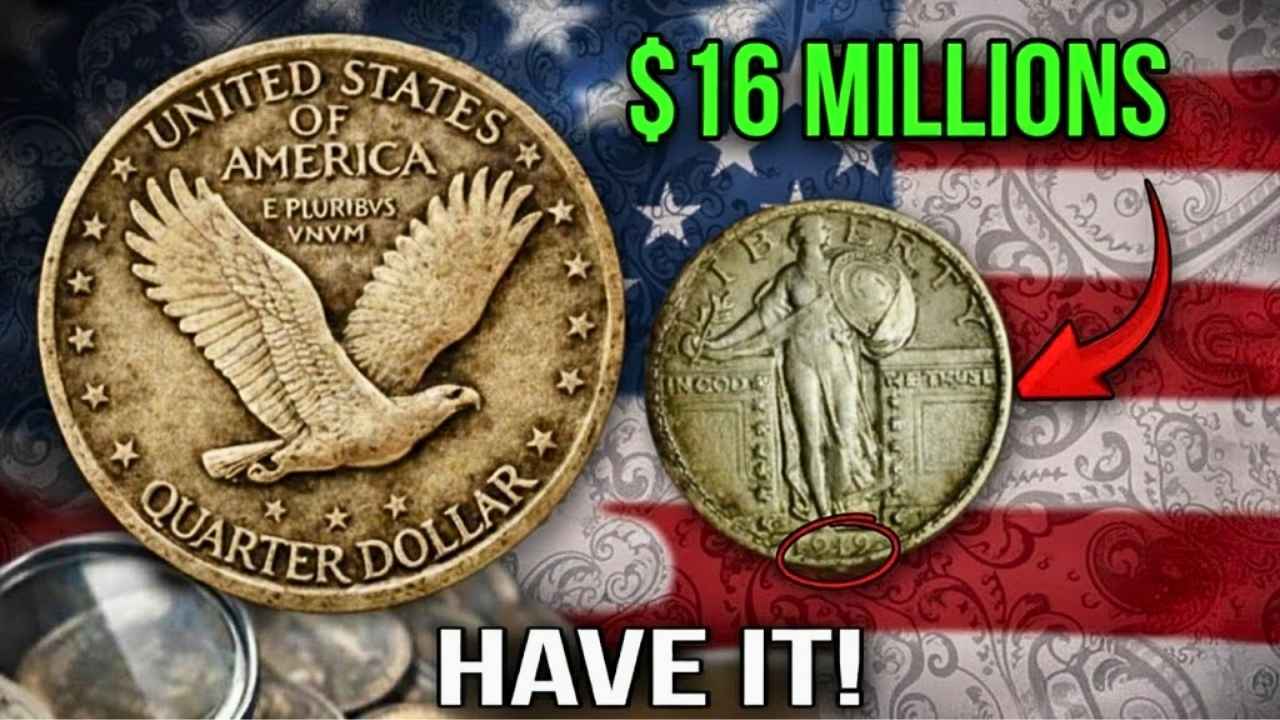
1919 Standing Liberty Quarter Worth Money: is one of the most iconic coins in American numismatics. Minted between 1916 and 1930, it features Lady Liberty standing tall with a shield and an olive branch, symbolizing both protection and peace. Among these coins, the 1919 issue holds special significance. Even in worn condition, this quarter can be worth far more than its face value, making it a fascinating subject for collectors and investors alike.
Historical Background
The Standing Liberty Quarter was designed by Hermon A. MacNeil and introduced in 1916. Its design was part of a broader movement to beautify American coinage in the early 20th century. The 1919 quarter was struck at three different mints: Philadelphia (no mint mark), Denver (D), and San Francisco (S). Each mint produced coins with slightly different rarity levels, which directly impacts their value today.
Design Features
The obverse of the coin shows Liberty standing in a gateway, holding a shield in her left hand and an olive branch in her right. The reverse depicts a majestic eagle in flight. Collectors often look for details such as the clarity of Liberty’s head, shield lines, and eagle feathers when grading the coin. These small details can make a huge difference in value.
Why Worn Coins Still Matter
Many people assume that worn coins lose their value, but in numismatics, rarity and demand often outweigh condition. A heavily circulated 1919 Standing Liberty Quarter can still fetch impressive prices because of its historical significance and limited availability. Even coins with visible wear are sought after by collectors who want to complete their sets.
Value Chart by Mint and Condition
Here’s a simplified column chart showing approximate values of the 1919 Standing Liberty Quarter across different conditions:
| Mint & Condition | Good (G-4) | Fine (F-12) | Extremely Fine (XF-40) | Mint State (MS-60+) |
|---|---|---|---|---|
| Philadelphia (No Mint Mark) | $25 | $60 | $200 | $1,000+ |
| Denver (D) | $40 | $120 | $400 | $2,500+ |
| San Francisco (S) | $50 | $150 | $500 | $3,000+ |
Note: These values are approximate and can vary depending on market demand and grading specifics.

Collecting Tips
- Always check for mint marks. A small “D” or “S” below the date can dramatically increase value.
- Look for full head details. Coins with Liberty’s head fully struck are rare and command premium prices.
- Consider professional grading. Certified coins from services like PCGS or NGC often sell for higher amounts.
- Handle coins carefully. Even slight scratches can reduce value.
Market Trends
The market for Standing Liberty Quarters has remained strong over the years. Collectors appreciate their artistry and historical significance. The 1919 issue, in particular, has seen steady demand because of its relative scarcity compared to later dates. Auction records show that high‑grade examples can sell for thousands of dollars, while even worn coins consistently outperform their face value.
Key Highlights
- The 1919 Standing Liberty Quarter was minted in Philadelphia, Denver, and San Francisco.
- Worn coins can still be worth significant money due to rarity and collector demand.
- Mint marks and strike details play a crucial role in determining value.
- Prices range from $25 for heavily worn Philadelphia coins to over $3,000 for high‑grade San Francisco examples.
- Professional grading and careful handling can maximize a coin’s potential.
Final Words
The 1919 Standing Liberty Quarter is more than just a piece of silver; it is a symbol of American history and artistry. Whether you own a worn example or a pristine mint state coin, its value lies not only in dollars but also in the story it tells. Collectors continue to treasure this quarter for its beauty, rarity, and enduring appeal. If you come across one, even in worn condition, remember that it may be worth far more than you expect.