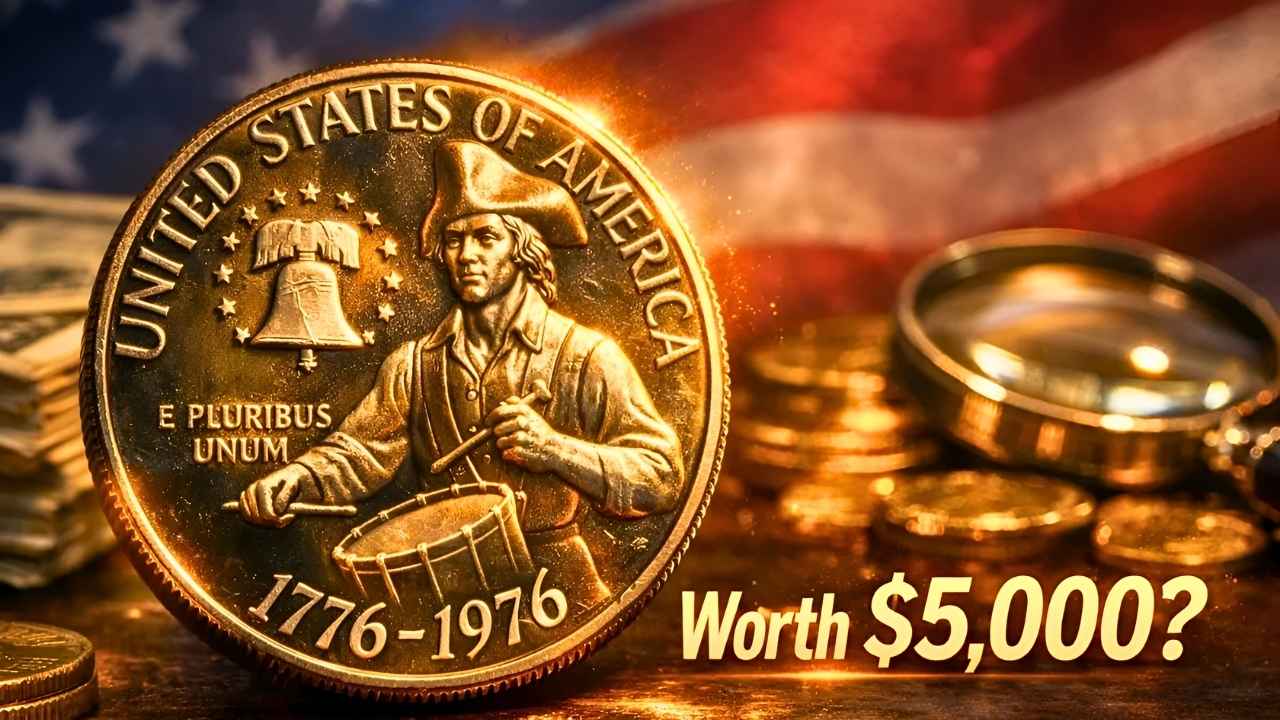
The Bicentennial Quarter is one of the most recognizable coins in American history. Released in 1975 and 1976 to celebrate the 200th anniversary of the nation’s independence, it was minted in huge numbers and quickly became a patriotic symbol. While most Bicentennial Quarters are worth only twenty‑five cents, certain rare varieties and minting errors have transformed this familiar coin into a hidden treasure. In 2026, collectors are once again excited about discoveries of Bicentennial Quarters valued at millions of dollars, proving that extraordinary finds can still be hiding in everyday pockets.
The Story Behind the Bicentennial Quarter
The Bicentennial Quarter was designed by Jack L. Ahr, featuring a colonial drummer on the reverse with a torch surrounded by thirteen stars. The obverse retained George Washington’s portrait, but the date was changed to “1776–1976” to mark the bicentennial celebration. These coins were struck in both copper‑nickel and 40 percent silver compositions, with special proof and uncirculated versions made for collectors. Their widespread circulation made them a common sight, but rare varieties have become highly sought after.
Why Some Bicentennial Quarters Are Worth Millions
Most Bicentennial Quarters are common, but certain factors can make them extremely valuable:
- Minting errors that created unique varieties.
- Low‑mintage proof and silver issues.
- Exceptional condition, especially uncirculated or high‑grade coins.
- Historical significance tied to America’s bicentennial celebration.
Rare Bicentennial Quarter Varieties
1. 1776–1976 Silver Proof Quarter
Struck in 40 percent silver for collector sets, these coins are more valuable than standard issues. Estimated Value: $20 to $500 depending on grade. Identification Tip: Look for mirror‑like surfaces and sharp details.
2. 1776–1976 Uncirculated Silver Quarter
Produced for collectors but never intended for circulation. Estimated Value: $50 to $1,000. Identification Tip: Check for the “S” mint mark and silver composition.
3. 1776–1976 Doubled Die Obverse
Error coins showing doubling in the date or lettering. Estimated Value: $500 to $5,000. Identification Tip: Examine “Liberty” and “In God We Trust” for doubled impressions.
4. 1776–1976 Off‑Center Strike
Error coins struck off‑center, creating unique designs. Estimated Value: $1,000 to $10,000 depending on severity. Identification Tip: Look for misaligned designs or missing details.
5. 1776–1976 Wrong Planchet Error
Coins mistakenly struck on planchets intended for other denominations. Estimated Value: $10,000 to $3,000,000 depending on rarity. Identification Tip: Weigh the coin; wrong planchets will not match the standard quarter weight.
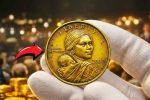
Chart: Rare Bicentennial Quarters and Their Values
| Bicentennial Quarter | Year | Variety/Error | Estimated Value Range |
|---|---|---|---|
| Bicentennial Quarter | 1976 | Silver Proof Issue | $20 – $500 |
| Bicentennial Quarter | 1976 | Uncirculated Silver Issue | $50 – $1,000 |
| Bicentennial Quarter | 1976 | Doubled Die Obverse | $500 – $5,000 |
| Bicentennial Quarter | 1976 | Off‑Center Strike | $1,000 – $10,000 |
| Bicentennial Quarter | 1976 | Wrong Planchet Error | $10,000 – $3,000,000 |
How Collectors Identify Rare Bicentennial Quarters
Collectors often rely on magnification tools, reference books, and professional grading services to confirm authenticity. Key steps include:
- Checking mint marks carefully, especially for proof and silver issues.
- Looking for doubled details or unusual features.
- Weighing coins to detect wrong planchets.
- Comparing coins against verified images from trusted numismatic sources.
- Submitting rare finds to grading services like PCGS or NGC for certification.
Preserving the Value of Bicentennial Quarters
Condition plays a crucial role in determining value. Even rare varieties lose worth if damaged. To preserve coins:
- Store them in protective holders.
- Avoid cleaning, which can reduce value.
- Keep them in a stable environment free from humidity.
- Handle coins carefully to prevent scratches or wear.
Key Highlights
- The Bicentennial Quarter was introduced in 1975–1976 to celebrate America’s 200th anniversary.
- Rare varieties include silver proofs, uncirculated issues, doubled dies, off‑center strikes, and wrong planchet errors.
- Values range from modest amounts to millions of dollars.
- Proper identification and preservation are essential for maximizing worth.
- Everyday pockets could hold hidden treasures.
Final Words
The Bicentennial Quarter is more than just a coin; it is a piece of American history and a symbol of national pride. In 2026, the discovery of rare Bicentennial Quarters valued at millions has reminded collectors and the public alike that treasures can be found in the most ordinary places. From silver proofs to minting errors, these coins highlight the rich history of American coinage and the thrill of collecting. For enthusiasts, the Bicentennial Quarter remains one of the most exciting areas of numismatics, offering both historical significance and the potential for extraordinary value.