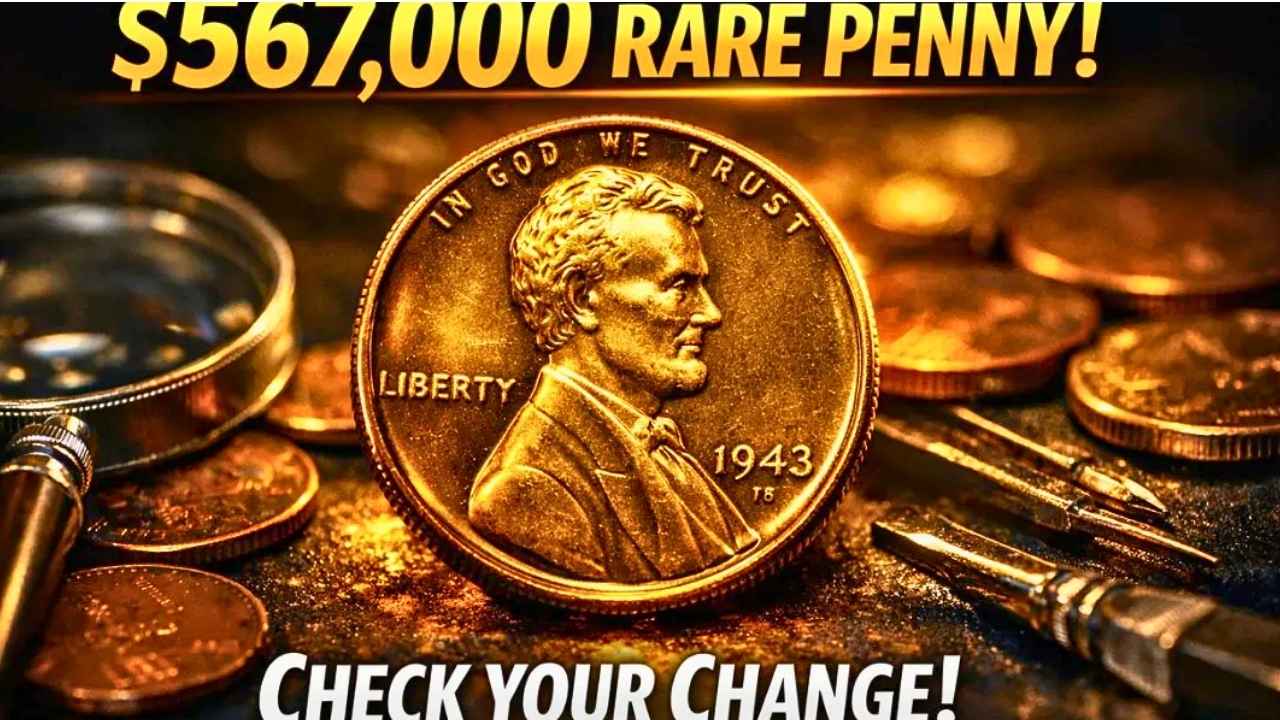
The Lincoln Wheat penny is one of the most iconic coins in American history. First minted in 1909, it quickly became a favorite among collectors due to its design and historical significance. While most Wheat pennies are worth only a few cents, certain rare varieties and minting errors have made some examples worth staggering amounts. One such coin, a rare Lincoln Wheat penny, has sold for as much as $567,000 at auction. This guide explores the history, mint marks, errors, and grades that make these coins so valuable, helping collectors identify hidden treasures in their collections.
History of the Lincoln Wheat Penny
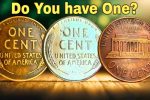
The Wheat penny was designed by Victor David Brenner and minted from 1909 to 1958. The obverse features Abraham Lincoln’s portrait, while the reverse displays two wheat stalks framing the words “ONE CENT.” It was the first U.S. coin to depict a real person, marking a significant change in American coinage. Over the decades, billions were produced, but certain years and mint marks are far rarer than others.
Mint Marks and Their Importance
Mint marks are small letters on the coin that indicate where it was produced. They play a crucial role in determining rarity and value.
- P: Philadelphia Mint, often produced the largest numbers.
- D: Denver Mint, coins with this mark can be scarcer in certain years.
- S: San Francisco Mint, known for lower mintages in many years.
Collectors pay close attention to mint marks, as some combinations of year and mint mark are extremely rare.
Rare Lincoln Wheat Penny Varieties
1909-S VDB
The first year of issue included coins with the designer’s initials “VDB” on the reverse. The San Francisco Mint produced only 484,000 of these, making them one of the most famous rarities.
1914-D
The Denver Mint produced only 1.2 million pennies in 1914. High‑grade examples are scarce and can sell for tens of thousands.
1922 No D
Due to a minting error, some 1922 pennies struck in Denver lack the “D” mint mark. These are highly prized by collectors.
1931-S
With a mintage of just 866,000, the 1931-S penny is one of the lowest production Wheat pennies.
1943 Copper Penny
During World War II, pennies were struck in steel to save copper for the war effort. A few copper planchets were mistakenly used, creating one of the most famous U.S. coin errors. These coins have sold for hundreds of thousands of dollars, with one example reaching $567,000.
1955 Double Die Obverse
This error shows dramatic doubling in the date and lettering. It is one of the most popular error coins among collectors.
Value Chart
| Coin | Description | Approximate Value Range |
|---|---|---|
| 1909-S VDB | First year issue, rare | $700 – $15,000+ |
| 1914-D | Low mintage Denver issue | $300 – $20,000+ |
| 1922 No D | Minting error | $500 – $25,000+ |
| 1931-S | Low mintage San Francisco issue | $100 – $5,000+ |
| 1943 Copper Penny | Wrong planchet error | $100,000 – $567,000+ |
| 1955 Double Die | Dramatic doubling | $1,000 – $25,000+ |
Grades and Condition
The grade of a coin is one of the most important factors in determining value.
- Good (G‑4): Heavily worn, worth modest amounts.
- Fine (F‑12): Moderate wear, collectible but not rare.
- Extremely Fine (EF‑40): Light wear, sharper details, valued higher.
- About Uncirculated (AU‑50): Slight wear, strong luster, desirable to collectors.
- Mint State (MS‑63): Uncirculated, full detail, premium value.
- Mint State (MS‑65+): Gem quality, rare, commands top prices.
Collecting Tips
- Always check the mint mark carefully, as it can dramatically affect value.
- Look for unusual features such as doubling or missing mint marks.
- Proof and error coins are often more valuable than circulation strikes.
- Store coins in protective holders to preserve condition.
- Consider professional grading to authenticate rare varieties.
Key Highlights
- The Lincoln Wheat penny was minted from 1909 to 1958 and remains highly collectible.
- Rare varieties include the 1909-S VDB, 1914-D, 1922 No D, 1931-S, 1943 Copper, and 1955 Double Die.
- The 1943 Copper penny is one of the most valuable, with examples selling for $567,000 or more.
- Mint marks and grades play a major role in determining value.
- Condition, rarity, and collector demand are the most important factors.
Final Words
The Lincoln Wheat penny is more than just a small copper coin; it is a piece of American history and a symbol of numismatic rarity. While most examples are worth only a few cents, rare varieties and high‑grade coins can be worth thousands, even hundreds of thousands. For collectors, the thrill of discovering a rare Wheat penny is unmatched. Whether you are just beginning your coin collecting journey or are an experienced numismatist, the Lincoln Wheat penny offers both historical significance and the excitement of hidden treasures.