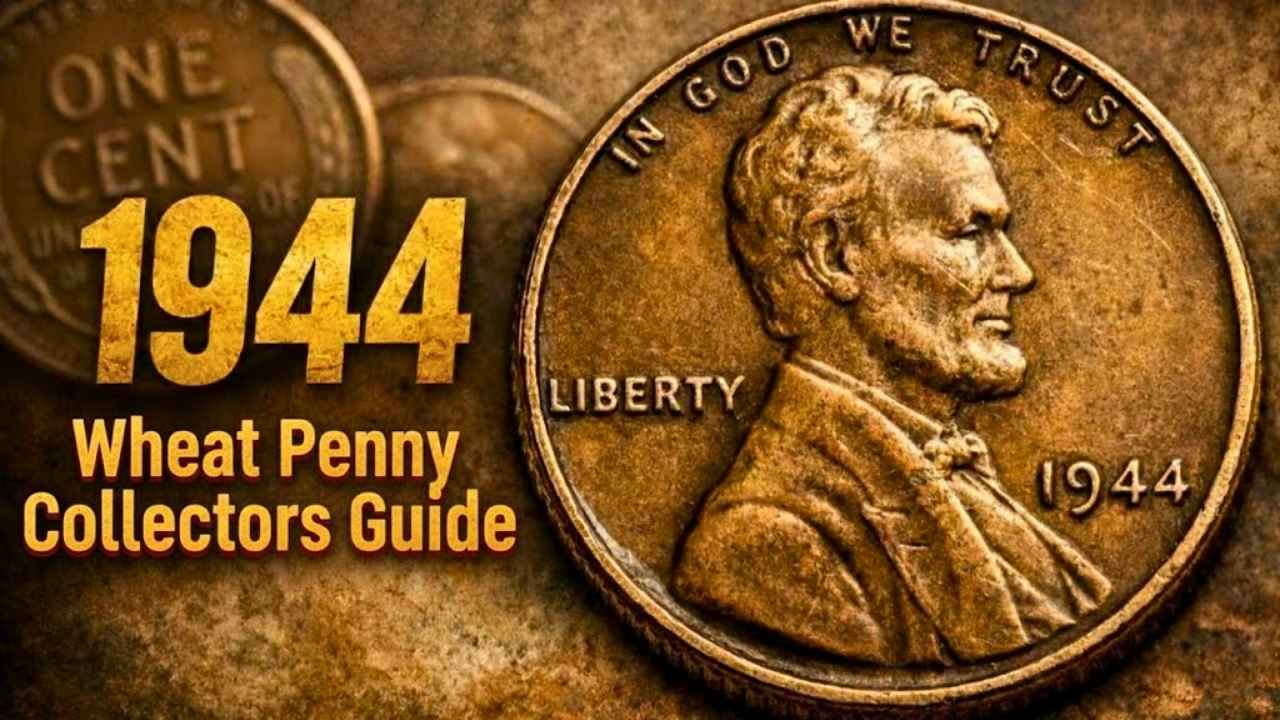
The Lincoln Wheat Penny, minted from 1909 to 1958, is one of the most iconic coins in American numismatics. Among these, the 1944 issue stands out due to its historical context during World War II and the unique varieties that emerged. While most 1944 Wheat Pennies are common and circulate at modest values, certain rare minting errors and specific mint marks have made some examples worth thousands. In 2026, collectors continue to study these coins closely, tracking value trends and searching for hidden treasures.
History of the 1944 Lincoln Wheat Penny
The 1944 Wheat Penny was struck during World War II, a time when the U.S. Mint experimented with coin compositions to conserve metals for the war effort. In 1943, pennies were made of steel coated with zinc, but in 1944, the Mint returned to copper using recycled shell casings. This transition created rare varieties, including a few 1944 pennies mistakenly struck on leftover steel planchets.
Design Features
- Obverse: Portrait of Abraham Lincoln.
- Reverse: Two wheat stalks framing the words “ONE CENT.”
- Mint Marks: No mint mark (Philadelphia), D (Denver), S (San Francisco).
- Composition: Primarily copper with traces of zinc and tin.
Why the 1944 Wheat Penny Is Valuable
Most 1944 Wheat Pennies are common, but certain factors make some worth far more than face value:
- Rare minting errors such as steel planchet strikes.
- Low‑mintage issues from specific mints.
- Exceptional condition certified by professional grading services.
- Historical significance tied to wartime production.
Rare Varieties and Mint Marks
1944 Steel Wheat Penny
A few 1944 pennies were mistakenly struck on leftover steel planchets from 1943. These are among the rarest and most valuable Lincoln Pennies.
1944-D Steel Wheat Penny
Denver produced a handful of steel pennies in 1944. These coins are extremely rare and can sell for tens of thousands.
1944-S Steel Wheat Penny
San Francisco also struck a few steel pennies in error. These are highly prized by collectors.
1944-D Lincoln Wheat Penny
While common in copper, high‑grade examples from Denver are collectible.
1944-S Lincoln Wheat Penny
San Francisco issues are also common but valuable in mint state condition.

Value Chart
| Coin | Description | Approximate Value Range |
|---|---|---|
| 1944 Steel Penny | Wrong planchet error | $75,000 – $200,000+ |
| 1944-D Steel Penny | Rare Denver issue | $60,000 – $150,000+ |
| 1944-S Steel Penny | Rare San Francisco issue | $60,000 – $150,000+ |
| 1944-D Copper Penny | Common issue | $1 – $50+ |
| 1944-S Copper Penny | Common issue | $1 – $50+ |
| 1944 No Mint Mark | Philadelphia issue | $0.50 – $25+ |
Collecting Tips
- Always check mint marks carefully, as they can dramatically affect value.
- Use magnification to spot unusual features such as steel composition or doubling.
- Proof and error coins are more valuable than circulation strikes.
- Store coins in protective holders to preserve condition.
- Consider professional grading to authenticate rare varieties.
Key Highlights
- The 1944 Wheat Penny was struck during World War II using recycled copper.
- Rare varieties include steel planchet errors from Philadelphia, Denver, and San Francisco.
- Common copper issues are collectible in high grades.
- Condition, rarity, and mint marks are the most important factors in determining value.
- Collectors in 2026 continue to track value trends and hunt for hidden treasures.
Final Words
The 1944 Lincoln Wheat Penny is more than just a coin; it is a reflection of America’s wartime history and a symbol of numismatic rarity. While most examples are worth only modest amounts, rare steel varieties and high‑grade coins can be worth thousands, even hundreds of thousands. For collectors, the thrill of discovering one of these treasures is unmatched. Whether you are just beginning your coin collecting journey or are an experienced numismatist, the 1944 Wheat Penny offers both historical significance and the excitement of hidden treasures that continue to inspire admiration in 2026 and beyond.