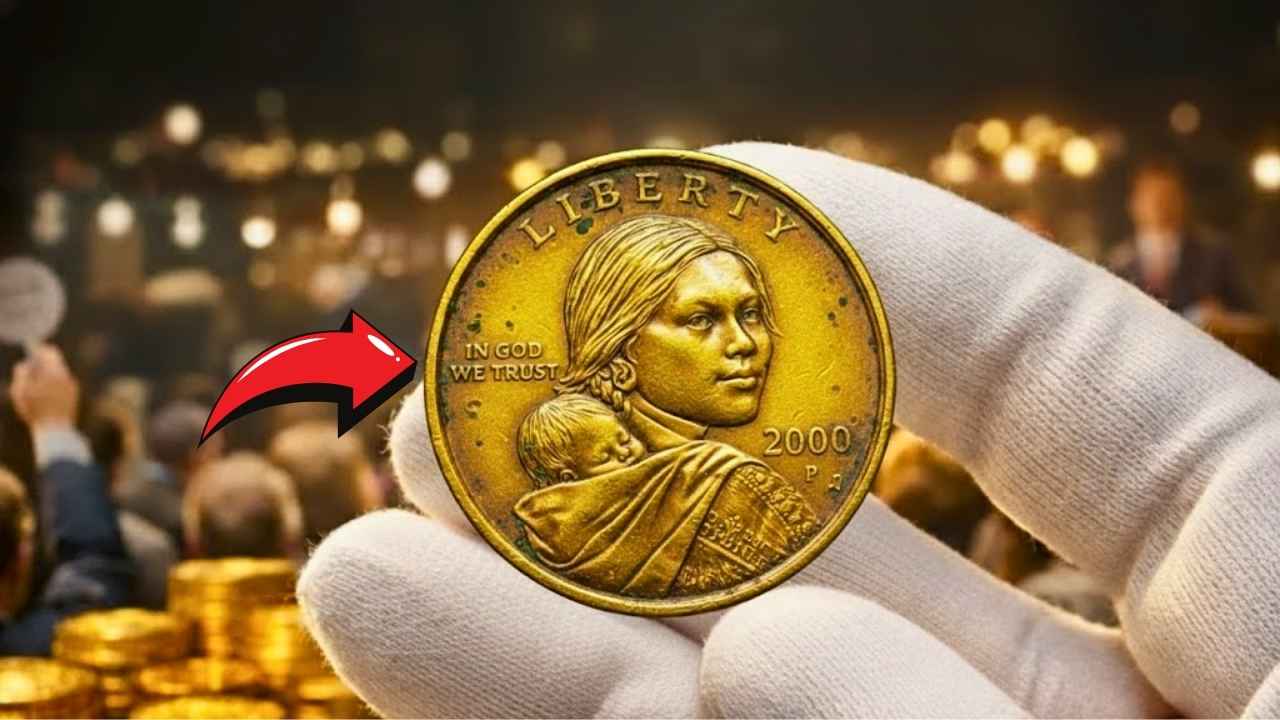
Historic Auction Frenzy: Gold has always held a special place in human history, symbolizing wealth, prestige, and timeless value. Among the many forms of gold currency, the American gold dollar coin stands out as a rare and fascinating piece of numismatic heritage. First minted in the mid-19th century, these coins were small in size but carried immense historical and monetary significance. Their scarcity today makes them highly desirable among collectors, and when they appear at auction, they often spark intense bidding wars.
A Glimpse into History
The gold dollar was authorized by the Coinage Act of 1849, during the California Gold Rush. It was the smallest denomination of gold coin ever produced by the United States Mint. Despite its modest face value, the coin represented the excitement of a nation fueled by newfound gold reserves. Over time, the coin’s production faced challenges, including its tiny size, which made it impractical for everyday use. By 1889, the minting of gold dollars ceased, leaving behind a limited supply that would later become prized treasures for collectors.
Why Collectors Rushed to the Auction
When rare old gold dollar coins surface at auctions, collectors see more than just precious metal. They see history, artistry, and rarity combined. Several factors explain the frenzy:
- Scarcity: With production ending in the 19th century, surviving coins are limited. Many were melted down over the years, making intact specimens rare.
- Historical Value: Each coin carries a story of America’s economic expansion, the Gold Rush, and the evolution of currency.
- Investment Potential: Gold coins often appreciate in value, both for their metal content and numismatic rarity.
- Prestige of Ownership: Owning a rare coin is a mark of distinction among collectors, often seen as a legacy piece to pass down generations.
Auction Highlights
The recent auction that sparked headlines showcased several remarkable specimens. Some coins were in near-mint condition, preserved for over a century without significant wear. Others bore unique mint marks or design variations that added to their rarity. Bidders from around the world competed fiercely, driving prices far beyond initial estimates. For many, the thrill was not just in winning but in being part of a historic event where pieces of America’s past changed hands.

The Psychology of Collecting
Collectors are often driven by passion as much as by profit. The emotional connection to history, the thrill of competition, and the pride of ownership all play a role. Auctions create an atmosphere of urgency, where the fear of missing out pushes bidders to go higher than they initially planned. The frenzy is fueled by the knowledge that opportunities to acquire such coins are rare and may not come again for years.
The Role of Numismatic Experts
Auction houses rely on numismatic experts to authenticate and grade coins. Their evaluations determine the coin’s condition, rarity, and estimated value. A coin graded as “uncirculated” or “proof” can command significantly higher bids than one with visible wear. Experts also provide historical context, helping bidders appreciate the coin’s significance beyond its monetary worth.

Modern Appeal of Historic Coins
In today’s digital age, where cryptocurrencies and electronic payments dominate, the appeal of tangible historic coins remains strong. They represent a physical connection to the past, a reminder of how commerce and wealth were once measured. For younger collectors, owning a gold dollar coin is like holding a piece of living history. For seasoned investors, it is a way to diversify portfolios with assets that carry both intrinsic and cultural value.
Key Highlights
- Gold dollar coins were first minted in 1849 during the California Gold Rush.
- Production ended in 1889, making surviving coins rare and highly collectible.
- Auctions attract global bidders due to scarcity, historical significance, and investment potential.
- Numismatic experts play a crucial role in grading and authenticating coins.
- Collectors are motivated by passion, prestige, and the thrill of owning a piece of history.
Final Words
The frenzy surrounding rare old gold dollar coins at auction is a testament to their enduring appeal. These coins are more than currency; they are artifacts of a nation’s journey through expansion, prosperity, and change. For collectors, each coin represents a story, a legacy, and a tangible piece of history worth preserving. As long as the fascination with gold and heritage continues, auctions of rare coins will remain electrifying events where history and passion collide.