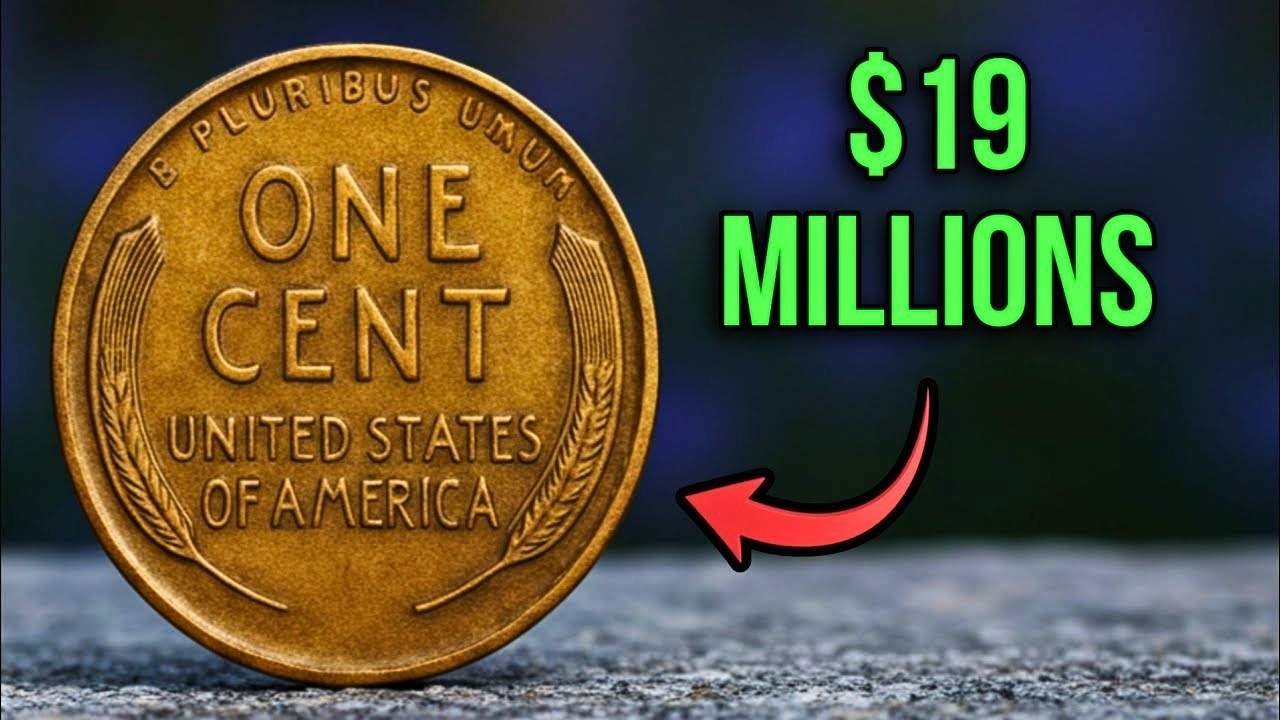
Coin collecting has always been a fascinating hobby, blending history, artistry, and the thrill of discovery. Among the most beloved coins in American numismatics are the Wheat Pennies, minted between 1909 and 1958. While most of these coins are common and worth only a few cents, certain ultra rare varieties can command astonishing prices in today’s market. Collectors and investors alike are constantly on the lookout for these hidden treasures, as they represent not only monetary value but also a tangible piece of American history.
The Birth of the Wheat Penny
The Wheat Penny was first introduced in 1909 to commemorate the centennial of Abraham Lincoln’s birth. Designed by Victor David Brenner, the coin featured Lincoln’s portrait on the obverse, making it the first US coin to depict a real person rather than a symbolic figure. On the reverse, two wheat stalks framed the words “One Cent,” giving the coin its popular nickname. This design remained in circulation until 1958, when it was replaced by the Lincoln Memorial reverse.
Why Wheat Pennies Are So Collectible
Collectors are drawn to Wheat Pennies for several reasons. Their long production run means there are countless varieties, mint marks, and errors to discover. The historical connection to Lincoln adds patriotic appeal, while the simplicity of the design makes them visually striking. Most importantly, certain rare issues have become legendary in the coin world, fetching thousands or even hundreds of thousands of dollars at auction.
Ultra Rare Varieties Worth Big Money
Some Wheat Pennies stand out as true rarities. These coins are highly sought after and can transform an ordinary collection into a treasure trove.
1909-S VDB
Perhaps the most famous Wheat Penny, the 1909-S VDB was minted in San Francisco with designer Victor David Brenner’s initials prominently displayed on the reverse. Only 484,000 were produced before the initials were removed due to controversy. Today, this coin can sell for thousands depending on condition.
1914-D
The 1914-D penny from the Denver Mint is another key rarity. With a low mintage of just over one million, surviving examples in high grade are scarce. Collectors are willing to pay significant premiums for well-preserved specimens.
1922 No D
In 1922, all pennies were supposed to be struck at the Denver Mint, but a die error resulted in coins without the “D” mint mark. These “No D” pennies are extremely rare and can bring impressive sums at auction.
1931-S
Although not as rare as the 1909-S VDB, the 1931-S penny had a relatively low mintage of under one million. Its scarcity makes it a desirable addition to any collection.
1943 Copper Penny
During World War II, pennies were struck in steel to conserve copper for the war effort. However, a few copper planchets were mistakenly used in 1943. These copper pennies are among the most valuable US coins, with some selling for over $100,000.
1955 Double Die
The 1955 Double Die penny is famous for its dramatic doubling of the date and lettering. Collectors prize this error coin, and high-grade examples can command thousands of dollars.
Factors That Influence Value
The value of a Wheat Penny depends on several factors. Rarity is the most obvious, but condition plays a crucial role. Coins graded as Mint State or with minimal wear are worth far more than heavily circulated examples. Mint marks also matter, as coins from the San Francisco and Denver mints often had lower production numbers. Finally, demand among collectors can drive prices higher, especially for well-known varieties.
Collecting Wheat Pennies Today
For new collectors, Wheat Pennies offer an accessible entry point into numismatics. Many common dates can be found in circulation or purchased inexpensively, allowing beginners to build a collection without breaking the bank. At the same time, the possibility of discovering a rare variety adds excitement. Coin shows, auctions, and online marketplaces are popular venues for buying and selling Wheat Pennies, and professional grading services help establish authenticity and condition.
Investment Potential
Beyond hobbyist appeal, Wheat Pennies have proven to be solid investments. Rare coins tend to appreciate over time, especially as demand grows and supply remains fixed. While not every penny will yield a fortune, owning key rarities like the 1909-S VDB or 1943 Copper Penny can be financially rewarding. Investors should approach coin collecting with patience and knowledge, focusing on quality and authenticity.
Key Highlights
- Wheat Pennies were minted from 1909 to 1958, featuring Lincoln’s portrait and wheat stalks.
- Rare varieties such as the 1909-S VDB, 1914-D, 1922 No D, 1931-S, 1943 Copper, and 1955 Double Die are highly valuable.
- Condition, rarity, and mint marks significantly influence value.
- Collecting Wheat Pennies is both a rewarding hobby and a potential investment.
- Some ultra rare examples can sell for tens of thousands or even hundreds of thousands of dollars.
Final Words
The world of Wheat Pennies is full of history, mystery, and opportunity. While most coins are common and inexpensive, the rare varieties remind us that hidden treasures can still be found in the most ordinary places. Whether you are a seasoned collector or a curious beginner, exploring Wheat Pennies offers a chance to connect with America’s past while potentially uncovering coins worth big money in today’s market.