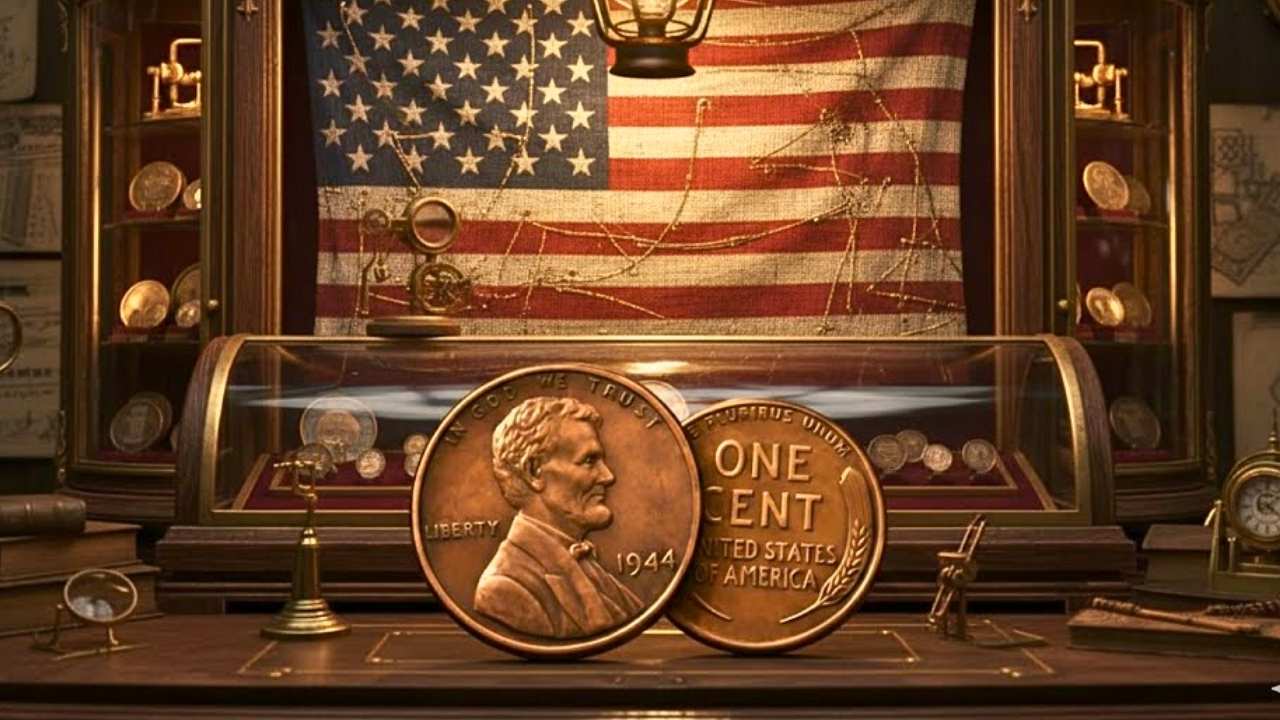
Wheat pennies, officially known as Lincoln Wheat Cents, were minted between 1909 and 1958. They are instantly recognizable by the two wheat stalks on the reverse side, symbolizing prosperity and growth. While millions were produced, certain years, mint marks, and error varieties have become rare treasures for collectors. In 2026, the fascination with these coins continues to grow, with auctions and private sales revealing surprising values for specific specimens.
Why Wheat Pennies Are Collectible
Collectors are drawn to wheat pennies for several reasons. They represent an important era in American coinage, they are affordable entry points for new hobbyists, and some rare varieties can be worth thousands of dollars. Their historical significance, combined with the thrill of discovering a rare coin in circulation or a family collection, makes them highly appealing.

22 Rare Wheat Pennies Worth Noting
Among the many wheat pennies, 22 stand out for their rarity and value. These include coins with low mintages, unique mint marks, and famous error varieties. Examples include the 1909-S VDB, the 1914-D, and the 1922 No D penny. Each of these coins carries a story of scarcity and collector demand, making them highly sought after in 2026.
Mint Errors That Increase Value
Mint errors are another fascinating aspect of wheat penny collecting. Errors such as doubled dies, off-center strikes, and missing mint marks can dramatically increase a coin’s value. The 1955 doubled die penny is one of the most famous examples, with its bold doubling on the date and lettering. Collectors prize these coins not only for their rarity but also for the unique character they bring to a collection.

Identification Tips for Collectors
Identifying rare wheat pennies requires careful attention to detail. Collectors should look for mint marks, which indicate where the coin was produced. Coins from the Denver (D) and San Francisco (S) mints are often rarer than those from Philadelphia. Condition also plays a crucial role; coins graded as uncirculated or in high mint state can be worth significantly more. Using magnification tools to spot errors and consulting reliable value charts are essential steps for accurate identification.
Value Guide and 2026 Market Trends
The value of wheat pennies in 2026 reflects both historical demand and modern market trends. Coins like the 1909-S VDB can fetch thousands of dollars in pristine condition, while common dates may only be worth a few cents. Online auctions, coin shows, and collector forums have made trading easier, and the rise of digital marketplaces has expanded access to rare coins worldwide. As more collectors enter the hobby, demand for rare wheat pennies continues to rise.

The Role of Grading Services
Professional grading services play a vital role in determining the value of wheat pennies. Companies like PCGS and NGC provide authentication and assign grades based on condition. A coin graded MS-65 or higher can command a premium price compared to one with visible wear. For collectors, certification offers peace of mind and ensures fair market value when buying or selling.
Collecting as a Hobby and Investment
Wheat penny collecting is both a hobby and an investment. For hobbyists, the joy lies in the hunt—searching through old jars, estate sales, or coin rolls for hidden treasures. For investors, rare coins represent tangible assets that can appreciate over time. The dual appeal ensures that wheat pennies remain popular across generations.

Key Highlights
- Wheat pennies were minted between 1909 and 1958 with iconic wheat stalks on the reverse.
- 22 rare varieties, including the 1909-S VDB and 1914-D, are highly valuable in 2026.
- Mint errors such as doubled dies and missing mint marks increase rarity and worth.
- Identification requires attention to mint marks, condition, and error details.
- Professional grading services enhance value and authenticity.
- Collecting offers both historical enjoyment and investment potential.
Final Words
The discovery and collection of rare wheat pennies remain a captivating pursuit in 2026. Whether driven by passion for history, the thrill of finding a hidden gem, or the potential for financial gain, collectors continue to cherish these coins. With 22 rare varieties and countless error possibilities, wheat pennies offer endless opportunities for exploration and appreciation. As the market evolves, their legacy as one of America’s most beloved coins is certain to endure.